
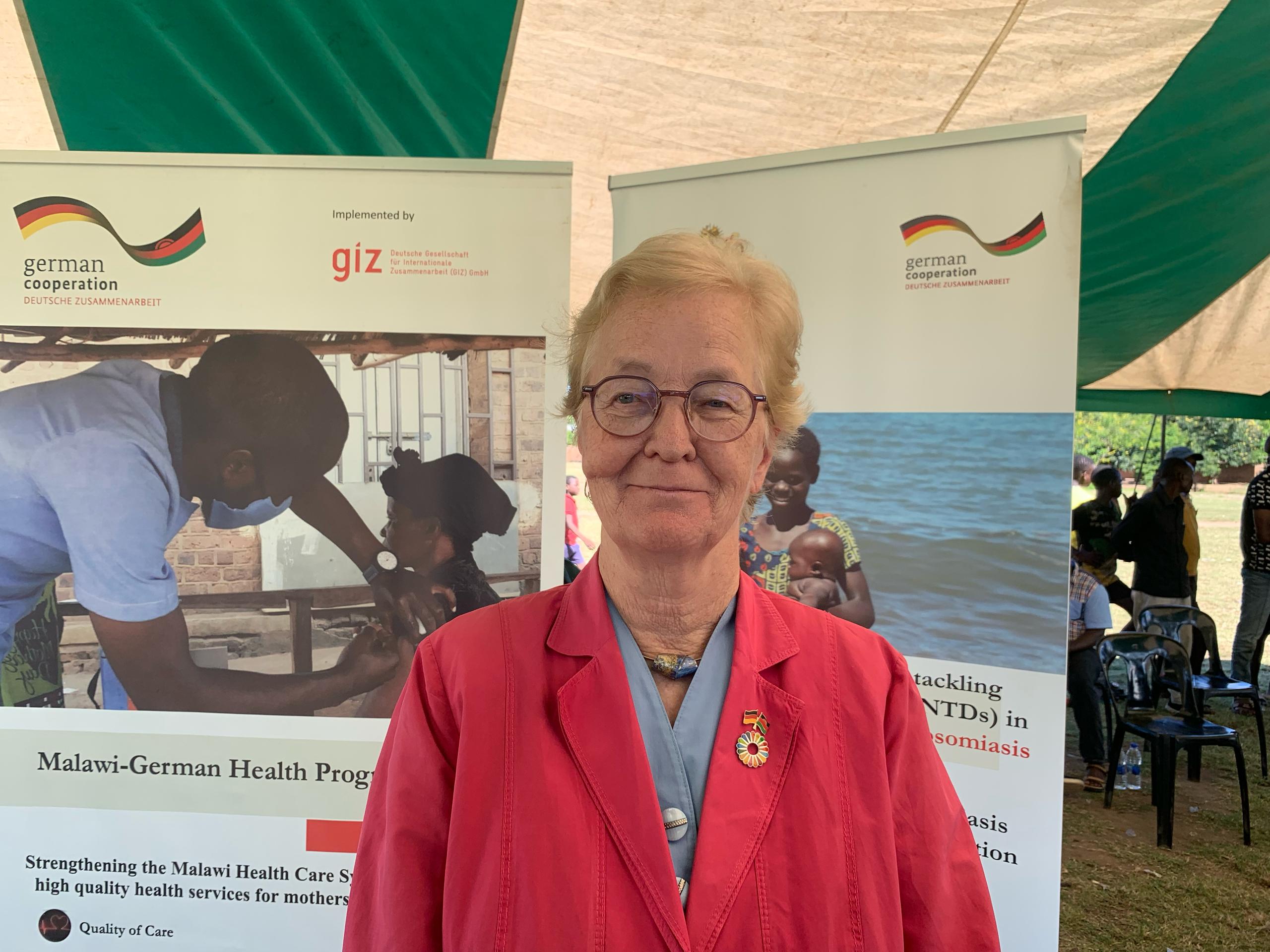
German Ambassador to Malawi, Ute König, says there is a need to raise more awareness at the community level on female genital schistosomiasis (FGS), a silent but devastating disease affecting millions of women and girls.
She made the call on Friday during the official launch of the FGS initiative at Maganga Primary School Ground, T/A Maganga in Salima, where the Ministry of Health, in partnership with WHO and GIZ, unveiled a pilot project aimed at tackling the disease in Salima and Dedza districts.
“Many women suffer silently. They feel pain, they are tired, and they don’t know what it is. This disease often goes unnoticed until it causes serious organ damage, infertility, or increases vulnerability to HIV and cervical cancer,” König said.
The ambassador explained that FGS is caused by a parasite found in freshwater and poses a high risk to women and girls who frequently fetch water, farm, or fish, particularly in lakeshore communities like Salima. She described it as one of the most neglected tropical diseases globally, despite affecting over 250 million women worldwide.
Deputy Minister of Health Noah Chimpeni, MP, who presided over the launch, described FGS, locally known as Likodzo, as a neglected but dangerous disease, especially in lakeshore districts.
He noted that even some health workers misdiagnose the condition due to limited awareness.
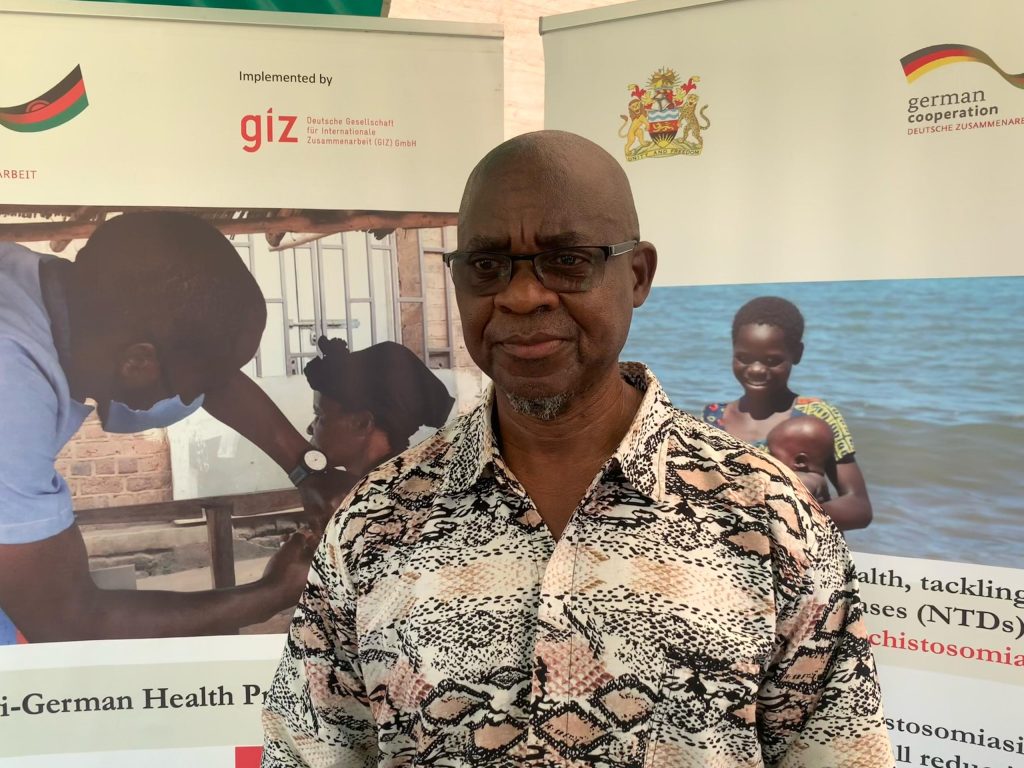
Chimpeni emphasized the serious health consequences of untreated FGS, including infertility, cervical cancer, sexual pain, and social stigma due to misidentification as a sexually transmitted infection. He said the disease not only harms physical health but also contributes to discrimination and emotional suffering among women and girls.
However, he reaffirmed the government’s commitment to fighting the disease through hygiene promotion under WASH programs, increased awareness campaigns, and improved access to early health services. He added that with WHO supplying medication and with increased efforts under the new initiative, the prevalence of FGS is expected to reduce significantly.
Salima District Council Chairperson, Councillor Manthepa, also commended the initiative, pledging the council’s full support in ensuring the program succeeds at the community level.
He said the council will work closely with partners to raise awareness and ensure services reach those most at risk.
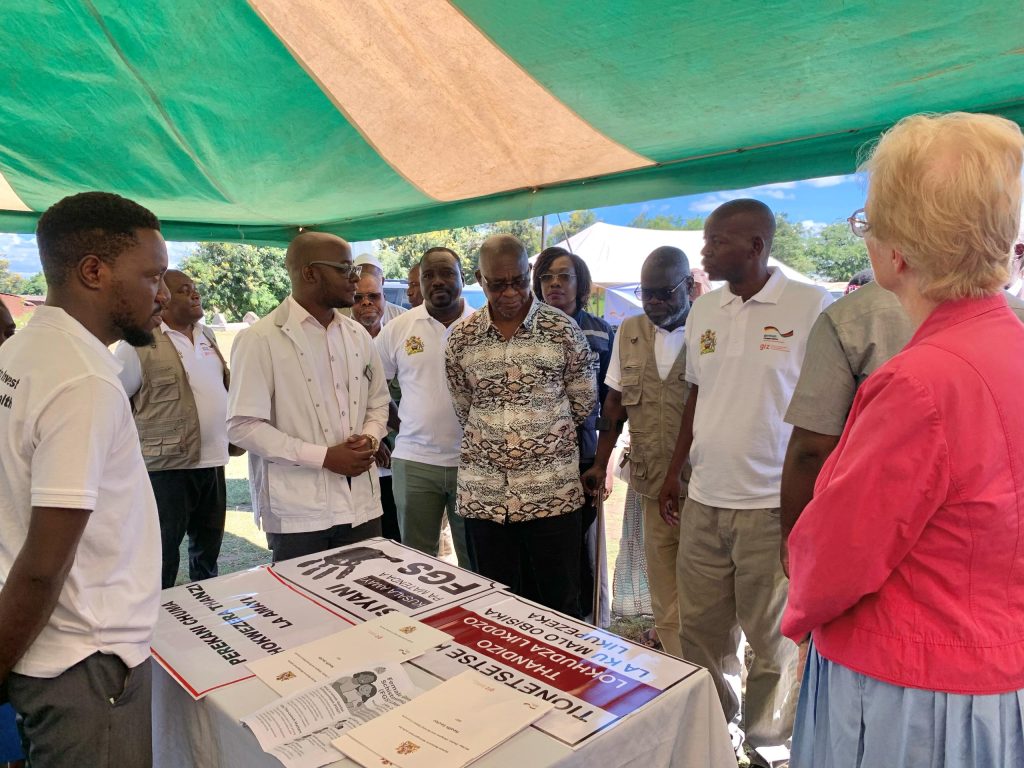
As part of the two-year pilot project, Germany is supporting Malawi in training healthcare workers, improving prevention and treatment mechanisms, strengthening data collection, and engaging communities to recognize and report symptoms early.
The event was held under the theme “Enhancing Women’s Health in Tackling Female Genital Schistosomiasis.”
(By Fegson Phabuli)
